Barbacoa's Cultural Heartbeat: A Symbol of Mexican Heritage
More than just a dish,
barbacoa stands as a vibrant testament to Mexico's rich history, ingenious culinary traditions, and profound communal spirit. This slow-cooked, succulent meat preparation has transcended mere sustenance, evolving into a cherished symbol of celebration, family, and ancestral pride. From its ancient origins on Caribbean islands to its sophisticated development within the heart of Mexico, barbacoa offers a unique blend of flavors, techniques, and cultural significance that continues to captivate palates worldwide. It embodies a culinary journey almost 500 years in the making, a journey deeply intertwined with the very fabric of Mexican identity.
The Ancient Roots of Barbacoa: A Journey Through Time and Culture
The story of
barbacoa begins not in Mexico, but with the indigenous Taíno people of the Caribbean. The term itself, "barbacoa," originates from their language, referring to a wooden framework or grate elevated over an open fire. This ingenious structure allowed for the indirect cooking and smoking of meats, preserving them and rendering them tender in the humid tropical environment. It was this method that Spanish colonizers encountered in the late 15th century, borrowing the word and concept as they spread across the Americas.
However, it was in Mexico that the practice of barbacoa truly underwent its most profound transformation, melding with pre-Hispanic indigenous cooking techniques to create the dish we recognize today. Mexican civilizations already possessed sophisticated methods for pit cooking, utilizing the earth's natural insulation to slow-cook food. The Spanish adaptation of the Taíno "barbacoa" combined with these existing practices, leading to the development of the distinctive underground pit oven method. Local elements, such as the fragrant maguey or agave leaves, became central to the process, used to wrap the seasoned meat, infusing it with earthy, subtle flavors and trapping moisture during the long cooking process. This crucial difference — cooking primarily through steaming in an insulated pit rather than direct exposure to flames — sets Mexican barbacoa apart from mere grilling or barbecuing. The result is a uniquely juicy texture and a delicate smokiness that speaks volumes of its rich heritage. For a deeper dive into this fascinating evolution, explore
Barbacoa: From Taíno Grate to Mexican Culinary Cornerstone.
The Authentic Barbacoa Experience: Crafting Culinary Magic
The preparation of traditional
barbacoa is a labor of love, a time-honored ritual that spans hours and often involves an entire community. The process begins with digging a pit, typically around 60 centimeters in diameter and a meter deep. This earthen oven is then lined with superheated rocks or glowing coals, creating an intensely hot, insulated environment. The choice of meat is pivotal: while lamb and goat are classic, beef (often tougher cuts like cheeks, chuck, or brisket) and even mutton are frequently used. The meat is seasoned with a blend of herbs and spices, then meticulously wrapped in large, fibrous agave leaves.
A pot, often containing water, pulque (fermented agave sap), herbs, and sometimes vegetables, is placed at the bottom of the pit, either directly beneath or alongside the meat. This liquid creates a flavorful steam bath, contributing to the meat's unparalleled tenderness and infusing it with additional layers of taste. The agave-wrapped meat is carefully lowered into the pit, often resting on a grate above the liquid. The pit is then sealed, first with a metal sheet or wet burlap, and then covered with a thick layer of soil, effectively turning it into a natural pressure cooker. The barbacoa is left to slow-cook overnight, sometimes for 8-12 hours, allowing the intense, moist heat to break down the toughest fibers, rendering the meat unbelievably tender and succulent. The anticipation as the earthy seal is broken the following morning is palpable, revealing meat so soft it practically melts in your mouth, permeated with a subtle smokiness and the distinct essence of agave. While modern conveniences like slow cookers and conventional ovens can mimic some aspects of barbacoa, the reverence for the authentic pit method remains, particularly in rural Mexico, where it's understood that certain flavors and textures can only be achieved through this ancient technique. To truly appreciate the intricacies of this culinary art, delve into
The Art of Barbacoa: Pit Cooking, Agave, and Melt-in-Your-Mouth Flavor.
Regional Rhythms: Barbacoa's Diverse Mexican Tapestry
Just as Mexico is a land of diverse landscapes and cultures, so too is its
barbacoa. The dish boasts a myriad of regional variations, each reflecting the local availability of ingredients and deeply ingrained customs. These adaptations highlight the versatility of the barbacoa method and its ability to incorporate distinct local flavors.
*
Central Mexico: In states like Hidalgo, México, Tlaxcala, and Puebla, beef, particularly whole beef heads, is a common choice. The cheeks and other parts yield incredibly tender meat, prized for tacos. The rich, savory broth, or
consomé, collected from the bottom of the pit, is a delicacy in itself, often served as a vital accompaniment.
*
Yucatán Peninsula: While typically made with pork, the iconic
cochinita pibil of Yucatán shares a strong ancestral connection with barbacoa through its pit-cooking method. Pork marinated in achiote and sour orange is wrapped in banana leaves (a local alternative to agave) and slow-cooked underground, resulting in a distinctively tangy and tender dish.
*
Sonora: In the northern state of Sonora, known for its vast cattle ranches, beef is paramount. However, historical and even some contemporary versions might feature venison, reflecting the region's hunting traditions.
*
Guerrero: On the Pacific coast, Guerrero occasionally features chicken barbacoa, demonstrating the method's adaptability to poultry, offering a lighter yet equally flavorful experience.
These regional expressions are not merely different recipes; they are cultural touchstones, encapsulating centuries of local agricultural practices, culinary innovation, and community identity. Each variation tells a unique story of its people and land, reaffirming barbacoa's status as a dynamic and evolving aspect of Mexican cuisine.
More Than a Meal: Barbacoa as a Cultural Icon and Communal Tradition
Beyond its irresistible taste and tender texture,
barbacoa holds a profound ritualistic and communal value that solidifies its place as a true symbol of Mexican heritage. It is not an everyday meal but rather a dish reserved for significant celebrations and gatherings, reflecting the immense effort and time invested in its preparation.
Imagine the scene: a wedding, a quinceañera, a patron saint festival, or simply a bustling weekend market. The aroma of slow-cooked meat wafts through the air, drawing families and friends together. The process itself is a community affair; digging the pit, stoking the fires, seasoning the meat, and eventually, the joyous unearthing of the culinary treasure. This shared labor fosters bonds, preserves ancestral traditions, and reinforces the importance of collective effort.
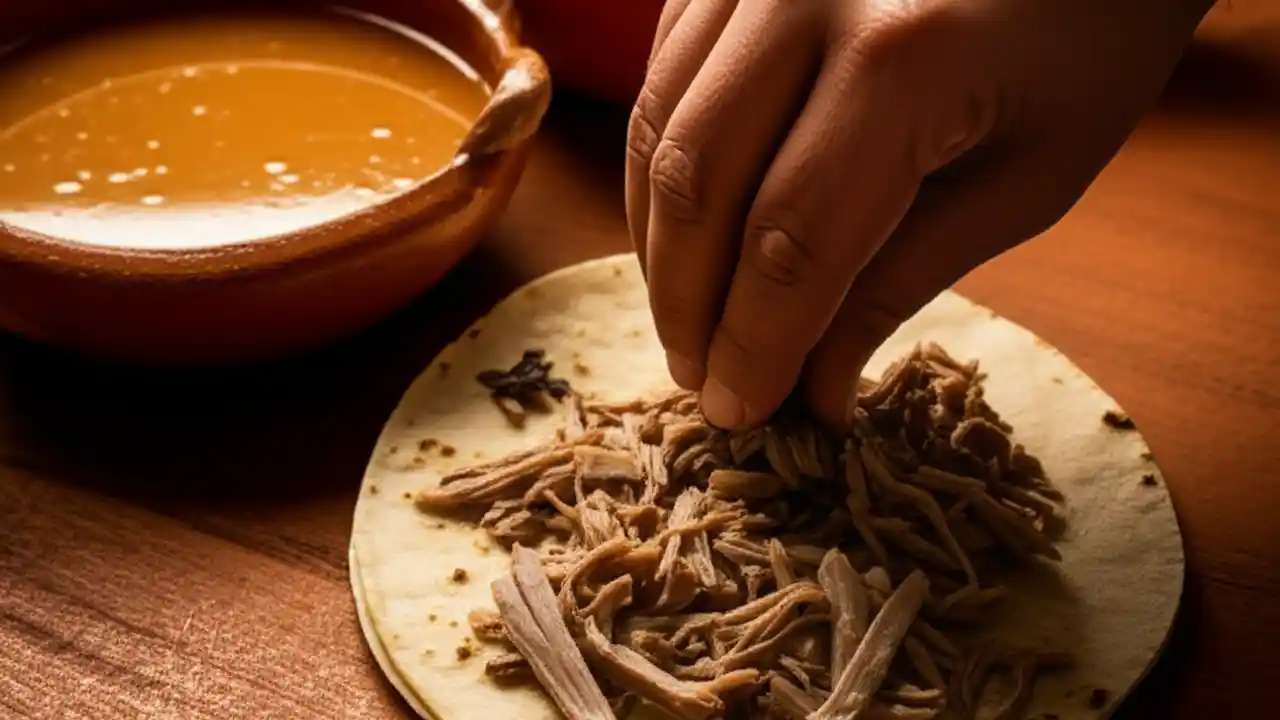
When the barbacoa is finally ready, it is meticulously shredded and traditionally served in warm corn tortillas, creating the quintessential
taco de barbacoa. These are typically accompanied by freshly chopped white onions, cilantro, and an array of vibrant salsas, from fiery chile de árbol to a milder avocado-based one. And no barbacoa experience is complete without a steaming cup of the savory
consomé, rich with the essence of the meat, herbs, and the smoky undertones of the pit. Many will add a squeeze of lime, a pinch of salt, and a dash of their favorite salsa to this fortifying broth.
Barbacoa is not just food; it's an event, a shared memory, a connection to generations past. It represents the warmth of family, the joy of celebration, and the enduring resilience of Mexican culture. Each bite is a taste of history, a testament to culinary ingenuity, and a celebration of community.
Conclusion
From its humble beginnings as a Taíno cooking rack to its majestic evolution into a cornerstone of Mexican gastronomy,
barbacoa remains a powerful emblem of identity and tradition. Its melt-in-your-mouth tenderness, subtly smoky flavor, and profound cultural significance make it far more than just a dish; it is a living, breathing part of Mexico's soul. As the steam rises from a freshly opened pit, revealing the perfectly cooked meat within, it's a moment that transcends the culinary, connecting people to their heritage, to their community, and to a timeless tradition that continues to beat at the very heart of Mexican culture. To experience barbacoa is to taste history, celebrate community, and truly understand the enduring spirit of Mexico.